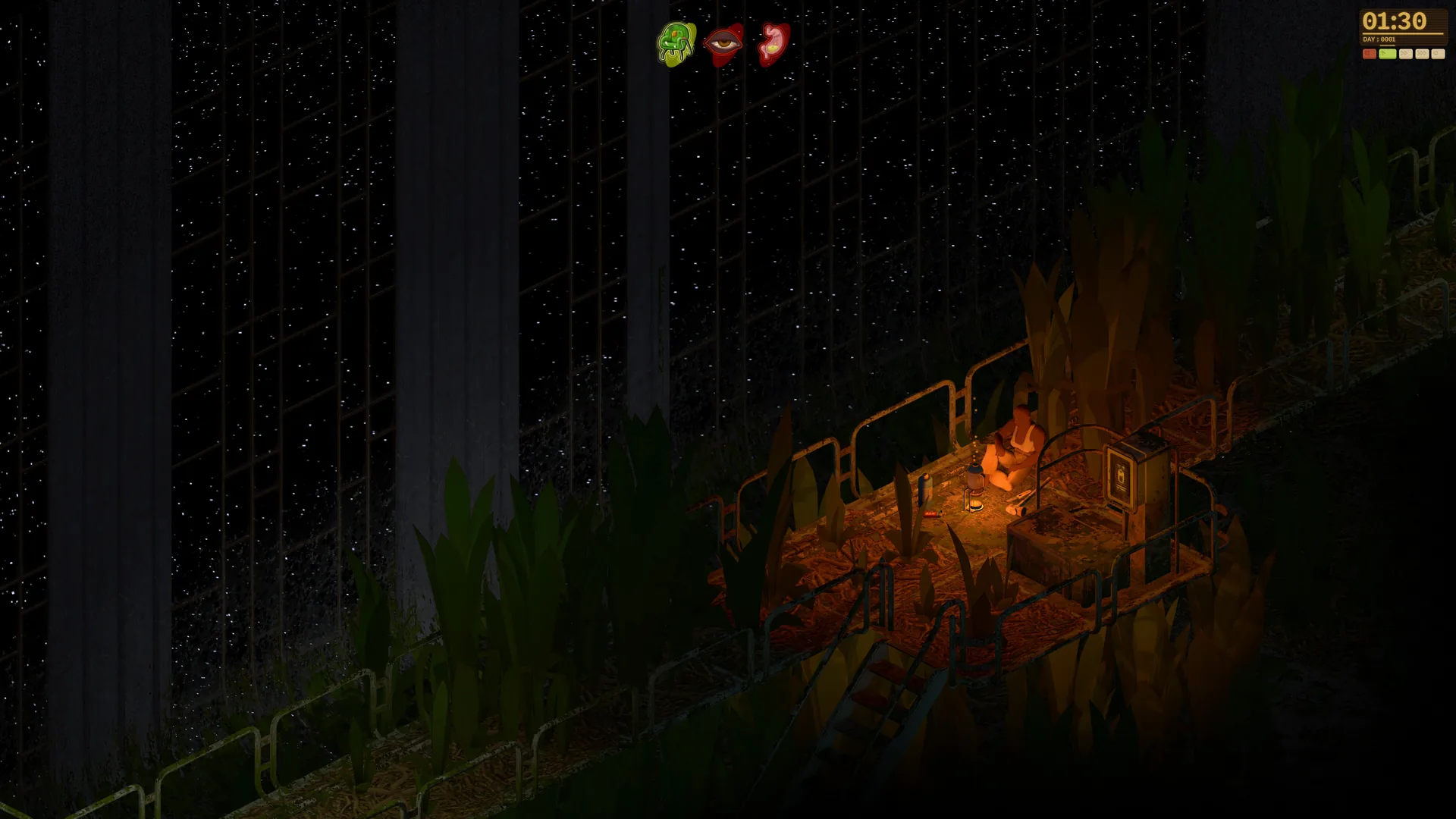
- Dandelion Void comfort system connects shelter quality, furniture, and happiness to survival performance
- Comfort and happiness directly influence how well your survivor recovers between expeditions
- Base layout matters: decoration is functional, not purely cosmetic
- Balance needs first: hunger, thirst, and morale all interact with comfort
- Plan early: even a modest shelter improves long-term survival odds
What Is the Dandelion Void Comfort System?
In Dandelion Void, surviving the overgrown generation ship Pergola is not only about scavenging relics and avoiding hostile plants. The game's survival loop ties exploration, resource gathering, crafting, and shelter construction together, and the comfort system is the thread that links your base to your character's wellbeing.
Shelter comfort and happiness contribute to survival performance, which means the layout and quality of your base are more than visual choices. A well-organized refuge with furniture and thoughtful decoration helps your survivor recover, stay morale-positive, and prepare for longer, more dangerous expeditions into the ark.
Treat your shelter as a survival tool. Every piece of furniture you place and every repair you make feeds back into comfort, happiness, and your character's ability to endure the next run into the derelict ship.
The system sits alongside hunger, thirst, and morale management. Neglecting comfort while focusing only on food and water creates a fragile survivor who performs poorly under pressure, especially during random environmental changes that make expeditions less predictable.
Comfort, Happiness, and the Needs Web
The comfort system does not exist in isolation. According to the game's published design direction, character comfort, happiness, hunger, thirst, and morale form an interconnected web of needs. Ignoring one weakens the others.
| Need | What It Measures | Linked To |
|---|---|---|
| Hunger | Food reserves and intake | Expedition length, cooking |
| Thirst | Hydration level | Water supplies, planning |
| Comfort | Shelter quality and furniture | Base building, decoration |
| Happiness | Overall mood and living conditions | Comfort, safety, routine |
| Morale | Willingness to keep exploring | All needs combined |
Physical Needs
- Hunger and thirst are the baseline
- Always stock reserves before deep runs
- Cooking improves food value
Living Conditions
- Comfort comes from your shelter
- Furniture placement shapes the space
- Better base, better recovery
Mental State
- Happiness and morale reflect total conditions
- Improve through comfort upgrades
- Support riskier exploration
Players often leave comfort at zero while hoarding crafting materials. A survivor with poor living conditions recovers more slowly, which shortens safe expedition windows and increases risk in hostile areas.
Step-by-Step: Building a Comfortable Shelter
Turning salvaged resources into a home follows a natural progression. Use this sequence to raise comfort without wasting materials early.
Secure a Safe Location
Choose a defensible, accessible section of the abandoned ark. Identify escape routes and avoid areas dense with hostile plant life before your equipment is ready.
Build the Core Shelter
Construct a basic enclosed refuge using gathered materials. Focus on function first: walls, storage, and a place to recover between expeditions.
Repair Technology
Restore recovered technology as part of the shelter and progression systems. Repairs turn scavenged resources into practical quality-of-life improvements.
Place Furniture
Arrange functional and decorative furniture to shape the living space. Furniture placement improves conditions available between expeditions and raises comfort.
Maintain and Expand
Keep upgrading the base as your resource income grows. An expanding shelter supports longer expeditions and a more resilient survivor.
Each comfort upgrade compounds: better rest means better-prepared expeditions, which return better materials, which fund further shelter improvements. Build this positive loop early.
Comfort and Expedition Planning
The comfort system directly shapes how aggressively you can explore Pergola. Random environmental changes make each run less predictable, so your shelter acts as the anchor point for every plan.
| Expedition Type | Comfort Requirement | Preparation Focus |
|---|---|---|
| Short scavenging run | Low | Basic food and water |
| Mid-depth exploration | Medium | Weapons, repaired gear, return route |
| Deep ark infiltration | High | Full restock, upgraded equipment, backup supplies |
| Vacuum-adjacent areas | High | Spacesuit condition, sealed-door caution |
A high-comfort shelter shortens the recovery phase between expeditions. Pushing into dangerous areas while under-rested converts manageable threats into emergencies.
Before opening sealed doors or entering hazardous zones, confirm that your shelter can support a fast recovery if the run goes wrong. Comfort is your safety margin.
Comfort System Checklist
Use this checklist to keep your comfort system healthy across the early and mid game.
Shelter and Comfort Milestones:
- Establish an enclosed shelter with storage
- Repair at least one piece of shelter technology
- Place functional and decorative furniture
- Maintain food and water reserves before every expedition
- Upgrade living conditions before deep exploration
FAQ
Q: Does furniture actually affect gameplay in the Dandelion Void comfort system?
Yes. Furniture placement shapes your living space and improves the conditions available between expeditions. Shelter comfort and happiness feed into overall survival performance, so decoration is a functional investment, not just cosmetic.
Q: Should I prioritize comfort or resource gathering first?
Gather essentials first, then establish a modest shelter early. A basic refuge with storage and a few comfort improvements lets you recover faster and plan longer scavenging runs, which accelerates all later progression.
Q: How does comfort relate to hunger, thirst, and morale?
These needs are interconnected. Comfort and happiness reflect your living conditions, while hunger and thirst cover physical needs. Morale summarizes the whole picture, so neglecting your shelter eventually drags down expedition performance.
Q: Do I need a comfortable shelter for short expeditions?
Short runs near your base carry less risk, but comfort still speeds up recovery. It becomes critical for mid-depth and deep exploration, where random environmental changes and hostile plants demand a well-rested, well-prepared survivor.