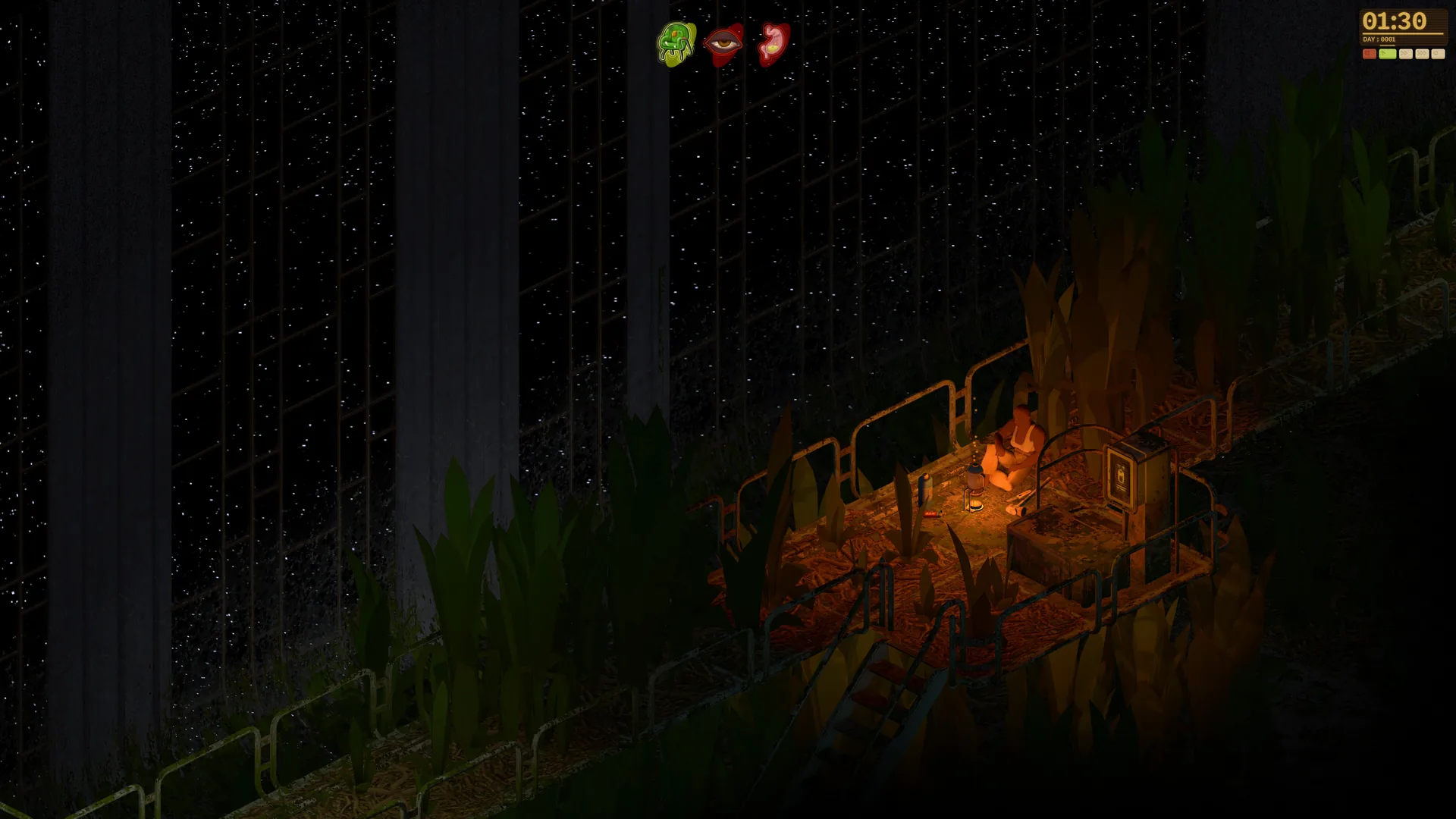
- Dandelion Void modding is built around a custom map editor and a Lua API, per the official Steam page.
- The game is developed by Manzanita Interactive, a studio with roots in the Project Zomboid modding scene.
- Steam Workshop support is confirmed, alongside custom clothing, weapons, scenarios, and biomes.
- The game is not yet released (release date TBA), so most mod tooling details may evolve before Early Access.
- Best starting point: join the official Discord and watch the official YouTube channel for tool updates.
Why Dandelion Void Matters to Project Zomboid Modders
Dandelion Void modding has become a talking point in the Project Zomboid community for a simple reason: developer Manzanita Interactive grew out of that same scene. The studio behind Dandelion Void is widely known among fans for its Project Zomboid work, which means the game's creation tools — a map editor, Lua scripting, and Steam Workshop distribution — are being designed by people who have shipped mods themselves. For Project Zomboid modders, that lineage makes Dandelion Void one of the more interesting upcoming moddable survival RPGs on Steam.
The official Steam page confirms the core creation features planned for the game:
| Creation Feature | Confirmed on Steam Page | Closest Project Zomboid Equivalent |
|---|---|---|
| Map editor | Yes | TileZed / WorldEd |
| Lua API | Yes | PZ Lua API |
| Steam Workshop | Yes | Steam Workshop |
| Custom clothing | Yes | Clothing item mods |
| Custom weapons | Yes | Weapon item mods |
| Custom scenarios | Yes | Challenge / scenario mods |
| Custom biomes | Yes | Terrain and texture mods |
The game is still in development with a TBA release date, and the public demo covers only part of the planned experience. Treat current mod tooling descriptions as design intent, not final documentation — expect changes before and during Early Access.
The game's setting — a derelict generation ship overgrown with hostile alien jungle — also shapes what modding will look like. Instead of open farmland and suburbs, creators will be working with ship corridors, sealed hatches, and vacuum-exposed sections, which favors interior-focused map design.
The Map Editor: Building Your Own Ship Sections
The planned map editor is the centerpiece of Dandelion Void's creation suite. According to the official Steam page, it supports creating custom rooms, environments, and exploration spaces, letting modders extend the overgrown generation ship with their own locations.
What Project Zomboid modders can expect:
- Room-based construction rather than open-world terrain painting, matching the ship-interior design of the base game.
- Environment dressing with jungle-overgrowth assets, decayed machinery, and hazard props.
- Custom exploration spaces that plug into the survival loop rather than existing as static showcases.
- Steam Workshop distribution so finished maps reach players without manual installs.
Interior-First Design
- Corridors, hatches, and cabins
- Smaller maps ship faster
- Ideal for first projects
Hazard Mapping
- Vacuum-exposed sections
- Hostile plant clusters
- Risk-reward loot placement
Story Locations
- Derelict crew quarters
- Abandoned workshops
- Lore-friendly ruins
| Map Project Type | Difficulty | Recommended For |
|---|---|---|
| Single repurposed cabin | ★☆☆☆☆ | First-time ship mappers |
| Lootable corridor loop | ★★☆☆☆ | Survival-focused creators |
| Multi-deck exploration zone | ★★★☆☆ | Experienced WorldEd users |
| Custom scenario arena | ★★★★☆ | Lua-comfortable modders |
The base game features sealed hatches and vacuum-risk areas. When designing custom sections, plan how modders and players will handle pressure boundaries — a room that reads as "safe" but exposes players to vacuum can break an otherwise good map.
The Lua API: Scripting Survival Logic
Lua is the scripting language of the Project Zomboid modding world, and Dandelion Void doubling down on a Lua API is one of the strongest signals that Manzanita Interactive wants that community to migrate over. The official Steam page lists the Lua API alongside custom scenarios and biome creation, positioning scripting as the glue that connects custom maps, items, and events.
Likely scripting territory based on confirmed features:
| Scripting Domain | Use Case | PZ Modding Parallel |
|---|---|---|
| Event logic | Triggered encounters, ambushes | OnTick / event hooks |
| Scenario rules | Custom win/loss conditions | Challenge modes |
| Item behavior | Custom weapon and clothing effects | Item scripting |
| Creature behavior | Hostile plant variants | Zombie behavior mods |
| Environment changes | Dynamic room states | Weather / time events |
Learn the Base Game First
Play the public demo and study how exploration, hunger, thirst, morale, and hostile encounters interact before writing scripts that fight the systems.
Start With Item Mods
Custom clothing and weapons are confirmed import targets. Item-level mods are the smallest useful scope and the fastest way to learn the data formats.
Move to Map Plus Script
Combine a small custom room with a Lua-driven event — a locked door, a timed hazard, or a scripted encounter — to practice integrating both toolchains.
Package for Steam Workshop
Bundle the map, scripts, and assets into a Workshop-ready upload, write clear descriptions, and iterate based on player feedback.
Full API documentation has not been published yet as of October 2026. Follow the official channels — the Dandelion Void website, the official Discord, and the @DandelionVoid YouTube channel — for the first official tooling reveals.
Community, Workshop, and Where to Follow Development
For modders coming from Project Zomboid, the community infrastructure around Dandelion Void is already taking shape. The official Steam Community Hub and the Discord linked from the official website are the two primary gathering points, with the official Bluesky account posting development updates.
| Channel | Purpose | Link Type |
|---|---|---|
| Official website | Hub for all links and press kit | dandelionvoid.com |
| Official Discord | Community discussion, dev contact | Via official site |
| Steam Workshop | Planned mod distribution | Steam platform |
| Steam Community Hub | News, discussions, wishlisting | steamcommunity.com |
| Official YouTube | Trailers and dev content | @DandelionVoid |
Adding Dandelion Void to your Steam wishlist helps signal demand for the creation tools and ensures you get notified the moment the game or its modding documentation goes live.
Modder Preparation Checklist
Before the Mod Tools Launch:
- Play the public demo to learn the survival loop
- Wishlist the game on Steam and join the official Discord
- Review your best Project Zomboid Lua projects for portable ideas
- Sketch one small ship-interior map concept on paper
- Follow the official YouTube channel for tooling updates
FAQ
Q: Is Dandelion Void made by Project Zomboid modders?
The developer, Manzanita Interactive, is widely recognized in the Project Zomboid community for its modding background. That experience directly informs Dandelion Void's map editor, Lua API, and Steam Workshop support.
Q: Will Dandelion Void support Steam Workshop mods?
Yes. The official Steam page lists Steam Workshop as a confirmed feature, along with a map editor, Lua API, and support for custom clothing, weapons, scenarios, and biomes.
Q: Can I start making Dandelion Void mods right now?
Not yet. The game is unreleased with a TBA date, and full mod tooling documentation has not been published. You can prepare by playing the public demo, learning or refreshing Lua skills, and following the official channels for announcements.
Q: Is Dandelion Void modding similar to Project Zomboid modding?
The toolset overlaps significantly — Lua scripting, map editing, and Workshop distribution — but the content differs. Dandelion Void is set inside an overgrown generation ship, so modding focuses on interiors, sealed sections, and hostile plant life rather than open terrain.